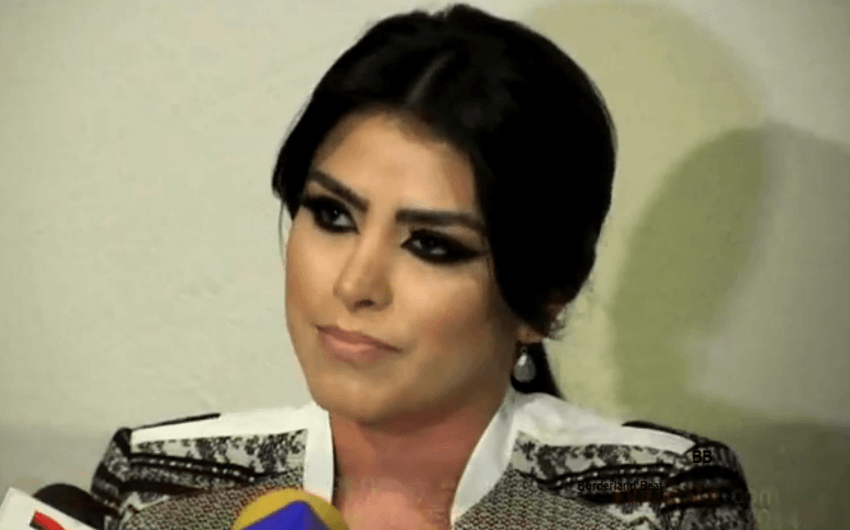
Claudia Ochoa Félix: The Woman Behind the Rumors, Fame, and Dark Fascination
Claudia Ochoa Félix remains a deeply searched name because her story sits at the uneasy intersection of beauty, social media, rumor, and alleged cartel-world glamour. She became widely known in Mexico and beyond after online images linked her to a life of luxury, firearms, and dangerous men. What made her especially fascinating was not just who she was said to be, but how quickly the internet turned her into a symbol of modern narco mythology.
Why Claudia Ochoa Félix Became So Famous
Not every internet figure becomes a lasting cultural obsession, but Claudia Ochoa Félix did because her image arrived at exactly the right moment. Social media was already turning ordinary people into public figures, yet it was still early enough that mystery carried more power than overexposure. Her photographs circulated with a kind of shock value that immediately grabbed attention. She looked glamorous, highly styled, and completely at ease around symbols of wealth and danger.
That combination made her unforgettable. She was compared to reality television beauty icons because of her appearance, but the comparison only went so far. What set her apart was the atmosphere around her image. This was not celebrity glamor in the usual sense. It was glamor shadowed by fear, rumor, and the suggestion of criminal proximity.
Once that image took hold online, it became bigger than the person herself. She was no longer just a woman from Sinaloa with a social media following. She became a character in a larger public fantasy about narco culture, women linked to cartel power, and the dangerous seduction of wealth displayed without restraint.
Her Public Image Was Built on Mystery
One reason Claudia Ochoa Félix stayed so compelling was that much of her story was never fully settled in the public mind. People did not only search for facts about her. They searched for certainty. They wanted to know whether she was truly connected to organized crime, whether she held influence inside that world, or whether the internet had amplified a partially true story into something far larger and darker than reality.
That uncertainty gave her image unusual power. Public fascination often grows strongest when the details remain blurred. If everything is fully explained, interest tends to fade. If too little is known, people move on. Claudia Ochoa Félix occupied the middle ground, where there was enough imagery and rumor to provoke obsession, but not enough clarity to end it.
As a result, her name became attached to a myth almost as much as to a biography. She was discussed as if she represented a whole category of woman: beautiful, dangerous, luxurious, and somehow close to the machinery of cartel violence without ever being fully understood by the outside world.
The “Empress” Narrative and the Power of a Nickname
Much of the attention around Claudia Ochoa Félix was intensified by the nickname that followed her online. Labels like that have enormous power in public culture because they compress a complicated story into a single dramatic identity. Once the public starts calling someone by an elevated, cinematic title, the person stops being processed as a normal individual and starts being treated like a mythic figure.
That is exactly what happened here. The nickname transformed her from a woman surrounded by rumors into a symbol of female power within a violent masculine world. Whether that image was accurate in every detail became almost secondary. The title itself did much of the work. It suggested control, fearlessness, beauty, and rank.
In reality, public nicknames often say more about collective imagination than about the person carrying them. They reflect what people want to believe, fear, or sensationalize. In Claudia Ochoa Félix’s case, the nickname helped lock her into a role the public could instantly recognize: the glamorous woman supposedly close to cartel force and privilege.
Social Media Turned Her Into an Icon
Claudia Ochoa Félix rose to wider attention during a period when social media was changing the way notoriety worked. People no longer needed traditional celebrity routes to become globally discussed. A stream of carefully framed photos could do the work once reserved for film, television, or music. In her case, that visual exposure created something more volatile than ordinary online fame.
Her images appeared to show luxury vehicles, expensive settings, designer styling, and weapons. Whether viewers approached those images with curiosity, judgment, or fascination, the effect was the same: they spread. Each shared image built the sense that she belonged to a hidden but highly desirable world, one where danger and glamour were displayed side by side.
This is part of why her name endured even after the peak of the initial attention passed. She became one of the clearest examples of how social media can create an enduring legend from fragments of visual identity. The platform did not just show her life. It transformed her into a narrative that people kept retelling long after the original images first circulated.
Why People Linked Her to Narco Culture
Public fascination with Claudia Ochoa Félix cannot be separated from the wider cultural fixation on narco imagery in Mexico and beyond. Over time, certain visual codes became instantly recognizable: weapons, luxury vehicles, body-conscious fashion, private jets, and displays of money or access. When someone appears repeatedly among those symbols, the public often rushes to connect them to organized crime, whether or not every claim is ever fully proved.
That context helps explain why her story grew so quickly. She did not emerge in a vacuum. She appeared at a time when narco culture had already become a topic of huge media interest, surrounded by a mix of fear, sensationalism, condemnation, and fascination. Her image seemed to fit that world so perfectly that many people accepted the rumor structure around her almost immediately.
That does not mean every public claim carried equal weight. It means her image arrived in an atmosphere already prepared to turn a visually striking woman into a legend of criminal association. Once that happened, the story moved beyond verifiable detail and into the realm of cultural mythmaking.
The Tension Between Reality and Rumor
One of the most important things about Claudia Ochoa Félix is that her public story was always shaped by a tension between accusation and denial. She was widely discussed as if her role in narco circles were established fact, yet parts of the public record remained clouded by rumor, interpretation, and media repetition.
That tension made her story more compelling, not less. Audiences are often drawn most strongly to figures who seem to hover between confirmed truth and public projection. In those cases, every rumor becomes harder to separate from identity. Over time, the person becomes trapped inside the most dramatic version of their own image.
This appears to have happened with Claudia Ochoa Félix. Whether people viewed her with fear, admiration, suspicion, or disbelief, they often approached her as a symbol first and a human being second. That is one reason her name still carries such a strong charge. It feels unfinished, unresolved, and difficult to pin down.
Beauty, Danger, and the Internet’s Obsession With Contradiction
The internet has always been especially fascinated by contradiction. It loves stories that combine softness with brutality, wealth with fear, beauty with violence, and glamour with collapse. Claudia Ochoa Félix represented all of those contrasts at once, which made her ideal material for viral attention.
People did not just see a woman. They saw an unsettling blend of things that are usually kept apart. Her look suggested luxury and desirability, while the rumors around her suggested threat and blood-soaked power. That contrast created a powerful psychological hook. It made her easy to talk about and hard to forget.
This kind of fascination says something revealing about public culture. Audiences are often drawn to figures who seem to embody dangerous contradiction because those figures feel cinematic. They appear larger than life, even when their real lives may be far more fragile and painful than the mythology suggests.
Her Death Deepened the Mystery
Claudia Ochoa Félix’s death in 2019 only intensified the fascination surrounding her name. Once someone already surrounded by rumor dies young, the public rarely becomes more restrained. Instead, speculation multiplies. The death becomes folded into the existing mythology, and every unanswered question starts carrying even more emotional weight.
In her case, the circumstances of her death immediately triggered renewed discussion online. Some people saw tragedy. Others saw confirmation of the danger that had always seemed to shadow her public image. Still others treated the moment almost like the final chapter of a story they had been following as if it were a crime drama rather than a real life.
That response is part of what keeps her name alive. Death often freezes a public figure in their most memorable form. It stops the possibility of reinvention. It leaves the myth intact. Claudia Ochoa Félix did not live long enough to fully outgrow or redefine the image attached to her, so the version the internet created continues to dominate how she is remembered.
Why Her Name Still Gets Searched
Years after her death, Claudia Ochoa Félix remains a heavily searched topic because her story still offers several things the public cannot resist: beauty, ambiguity, notoriety, danger, and a life that appears to have unfolded just outside ordinary social rules. She is remembered not only as an individual, but as a symbol of a broader fascination with women linked to violent power.
There is also a deeper cultural reason. Stories like hers allow people to look at the aesthetics of criminal worlds without directly confronting the human devastation behind them. The images are easier to consume than the violence those worlds produce. That is part of the discomfort surrounding her legacy. She became famous through a visual language that was seductive, but the reality around that language was much darker.
This tension is why her story continues to resurface. She is not remembered simply because she was beautiful or controversial. She is remembered because her image captured the way internet culture can romanticize danger while hiding its real cost.
More Than a Viral Figure
It would be easy to reduce Claudia Ochoa Félix to a set of headlines, nicknames, and striking photos, but that misses the larger meaning of why she remains so compelling. Her story reveals how quickly a woman can be transformed into a legend by visual culture, rumor, and public appetite for dramatic narratives. It also reveals how difficult it becomes for any real person to survive that kind of symbolic takeover.
She became known as an icon of a world most people only observe from a distance. Yet the very qualities that made her attention-grabbing also made her vulnerable to being flattened into caricature. Once the internet decides what someone represents, nuance often disappears.
That is why her name still carries such force. Claudia Ochoa Félix is remembered as more than a viral figure. She stands as a lasting example of how modern notoriety works when social media, criminal rumor, and public fascination collide.
Final Thoughts on Claudia Ochoa Félix
Claudia Ochoa Félix continues to fascinate because she was never just one thing in the public imagination. She was presented as glamorous, rumored to be dangerous, associated with luxury, surrounded by speculation, and ultimately frozen in memory by an early death. Her name still circulates because the story around her feels larger than a biography. It feels like a dark legend created by the internet age.
What makes her story endure is not merely scandal. It is the way her image came to symbolize an entire cultural obsession with beauty beside violence and mystery beside performance. In the end, Claudia Ochoa Félix remains unforgettable not because the world ever fully understood her, but because it never stopped projecting onto her.
image source: https://www.borderlandbeat.com/2014/06/claudia-ochoa-felix-press-conference.html